

Drum Roll………..
The foam Roller!
I often find myself exploring tools and techniques that not only enhance our performance in the air but also promote overall well-being. A seemingly simple piece of equipment, the foam roller has gained popularity in the fitness and rehabilitation world. But what makes foam rolling so beneficial, and how can it support both your aerial practice and your daily life? Let’s dive into the science behind foam rollers, their benefits, and how they can fit into your aerial routine.
What is Foam Rolling?
Foam rolling is a form of self-myofascial release (SMR), a technique used to relieve muscle tightness, soreness, and inflammation while improving flexibility and range of motion. Essentially, it involves rolling your muscles over a firm foam cylinder, applying pressure to trigger points or knots in your muscles. This process helps break down adhesions or “stuck” tissues in the fascia, the connective tissue surrounding your muscles, which can otherwise restrict movement and cause discomfort.

How Does Foam Rolling Work?
When you use a foam roller, the pressure applied to your muscles helps to:
1. Increase Blood Flow: The compression from rolling stimulates blood flow to the muscles, delivering more oxygen and nutrients while removing waste products like lactic acid. This can speed up recovery after intense training sessions, allowing you to get back in the air sooner.
Imagine squeezing out a sponge soaked in murky water. Once the old water is released, the sponge is ready to absorb fresh, clean water. Similarly, foam rolling compresses the muscles, flushing out waste products and making space for new, oxygen-rich blood to flow in. Now your muscles are recharged and ready for action.
2. Reduce Muscle Tension: By targeting specific muscle groups, foam rolling helps to release tight spots and trigger points, reducing overall muscle tension. For aerialists, this is particularly important, as it can improve your range of motion and allow for more fluid, controlled movements during performances.
Now, think of a knotted rope. When it’s tangled, it can’t stretch to its full length. Foam rolling is like gently working through those knots, slowly loosening them so the rope can extend fully again. For aerialists, this means more flexibility and smoother, controlled movements in the air.
3. Improve Flexibility and Mobility: Regular foam rolling can increase your flexibility by breaking up scar tissue and adhesions in the fascia. This is key for aerialists, where a greater range of motion can translate to more dynamic and impressive poses.
Next, picture a tightly wrapped rubber band. It’s rigid, limited, and difficult to stretch. By rolling over tight muscles, you’re softening that rubber band, increasing its elasticity. This newfound flexibility allows you to extend further into splits, backbends, and other dynamic aerial poses, turning your body into a more fluid, adaptable apparatus.
4. Enhance Proprioception: Proprioception, or body awareness, is crucial for aerialists. The act of foam rolling requires focus and mindfulness, helping you to tune into your body’s needs and respond to areas that require attention. This can lead to better control and precision in your aerial practice.
Now, imagine trying to balance on a tightrope with your eyes closed. You can’t see where your body is in space, so every step feels uncertain. Foam rolling acts like a spotlight, highlighting areas that need attention and reconnecting you with your body’s movements. This heightened awareness can make all the difference in your aerial practice, helping you maintain control, balance, and precision in every lift, spin, and drop.
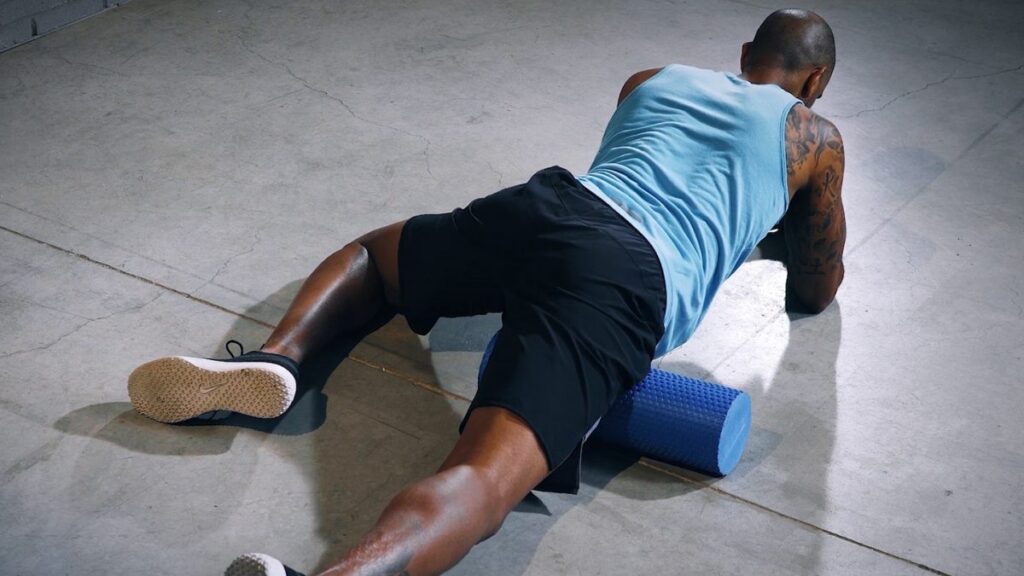
Are Foam Rollers Really Good for You?
The short answer: Yes, when used correctly. Foam rollers are a valuable tool for maintaining muscle health, preventing injuries, and aiding recovery.
Research supports their effectiveness, with studies showing that foam rolling can reduce muscle soreness, increase range of motion, and even enhance performance when incorporated into a regular fitness routine.
“Foam rolling performed after physical activity may help attenuate decrements in muscle performance and reduce perceived muscle soreness.”
– Journal of Athletic Training
How Foam Rolling Supports Aerial Arts and Daily Life
As aerialists, our bodies are our instruments. Maintaining them is essential not only for performance but also for longevity in the practice. Integrating foam rolling into your routine can help you achieve greater flexibility, reduce the risk of injury, and ensure that your body remains in peak condition.
From an occupational therapy perspective, foam rolling also promotes overall health and wellness. It’s a form of self-care that anyone can incorporate into their daily routine, whether you’re an aerialist, a weekend warrior, or simply looking to improve your mobility and reduce stress.

How to Incorporate Foam Rolling into Your Routine
Here are a few tips to get started with foam rolling:
1. Start Slowly: If you’re new to foam rolling, begin with shorter sessions and lighter pressure. As your muscles adapt, you can gradually increase the intensity.
2. Focus on Problem Areas: Spend extra time on areas that feel particularly tight or sore. For aerialists, this might include the shoulders, upper back, hips, and legs.
3. Be Consistent: Like any practice, consistency is key. Aim to foam roll at least a few times a week, either before or after your aerial training.
4. Listen to Your Body: Foam rolling should be uncomfortable but not painful. If you experience sharp pain or discomfort, ease off and focus on other areas.
Conclusion
Incorporating foam rolling into your aerial and daily routine can be a game-changer for your body and practice. By promoting flexibility, reducing muscle tension, and enhancing recovery, foam rolling supports the demands of aerial arts and contributes to a healthier, more resilient body. So, grab a foam roller, listen to your body, and elevate your aerial journey.
“Foam rolling performed after physical activity may help attenuate decrements in muscle performance and reduce perceived muscle soreness.”
– Journal of Athletic Training

Sources:
- Increased Flexibility & Joint Mobility: Foam rolling improves joint range of motion without reducing strength. (Cheatham et al., 2015, Journal of Strength & Conditioning Research)
- Reduced Muscle Soreness (DOMS): Rolling post-exercise helps decrease muscle soreness and supports performance. (Pearcey et al., 2015, Journal of Athletic Training)
- Enhanced Recovery & Circulation: It promotes blood flow and aids muscle recovery after intense training. (MacDonald et al., 2014)
- Improved Tissue Quality: Regular use supports myofascial health by breaking up adhesions and improving mobility. (Schroeder & Best, 2015)
- Temporary Pain Relief: Foam rolling can help decrease pain sensitivity by calming overactive muscle groups. (Aboodarda et al., 2015)
 OT Aerialist
Leave a comment