The Sixth Sense of Aerial Arts: Improving Proprioception for a Better Performance
Published by
Daniela Mabry, COTA/L, Certified Aerial Coach
on
Proprioception, what even is that? Sounds like some kind of fancy exercise for your brain. But as aerialists, we know that proprioception is our superpower. It’s what allows us to fly through the air with the greatest of ease and land gracefully on the ground. So, what exactly is it and how can we improve it through aerial arts?
Proprioceptors, the body’s hidden champions, act as our internal GPS within the somatosensory system. These incredible sensory receptors detect and process crucial information about muscle length, joint position, and body movement. As aerialists, our reliance on proprioception, our sixth sense, is paramount. It’s what empowers us to execute awe-inspiring spins, twists, and gravity-defying maneuvers with unwavering precision and grace. Let’s honor and embrace our proprioceptors, the unsung heroes of our aerial artistry, as they navigate us through the air and unlock the full potential of our skills.
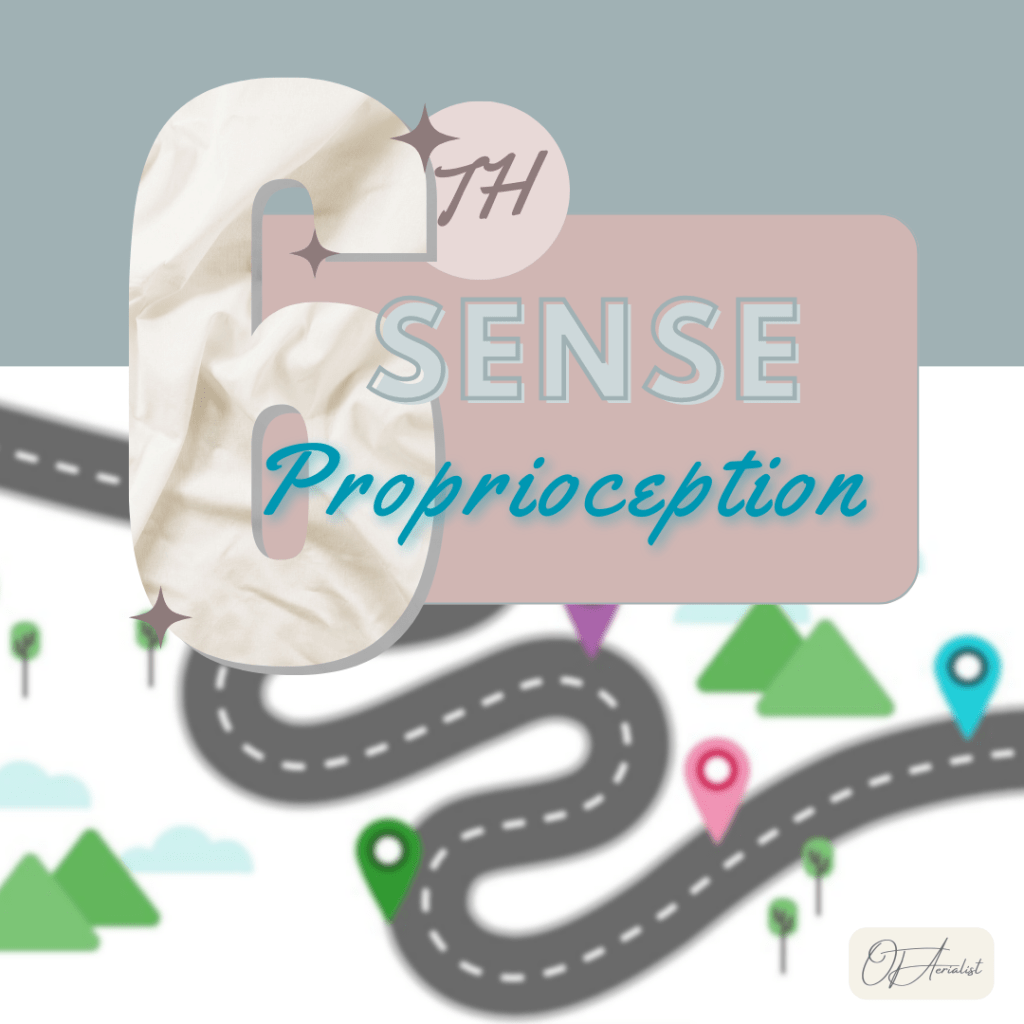
PROPRIOCEPTORS are your body’s GPS. Your Roadmap to find your body in space.
So, how can we improve our proprioception through aerial arts? Here are a few tips:
HANG IN THERE! Hanging is a great way to improve proprioception. Spend some time just hanging on the silks or trapeze. This helps your body learn how to sense its position in space and develop a better understanding of how to move efficiently. Plus, it’s a great excuse to take a break and hang out.
FIND YOUR BALANCE! Balance exercises are another excellent way to improve proprioception. Try standing on one foot or practicing your handstands on the ground. When you’re up in the air, your body will thank you for the extra stability. And if you fall, just blame it on the wind.
GET MOVING! Dynamic movements can also improve proprioception. Incorporate movements that challenge your body’s sense of balance and coordination, like lunges or squats on the ground. In aerial arts, you can practice spins, drops, and other dynamic movements that challenge your proprioception and body awareness. And if you get dizzy, just blame it on the aerial-induced euphoria.
Find your Balance
Improving proprioception through aerial arts also translates to aerial therapy. By improving body awareness and balance, we can reduce the risk of injury and improve rehabilitation outcomes. As aerialists, we need to take care of our bodies and use our proprioception to our advantage.
But before you start hanging and spinning, it’s important to understand the contraindications. If you have a pre-existing condition, such as joint pain or instability, you should consult with a medical professional before starting any new exercise program.
In conclusion, proprioception is a vital tool for aerialists and aerial therapy. By hanging, finding our balance, and getting moving, we can improve our proprioceptive input and become even more badass aerialists. And remember, always prioritize safety and listen to your body.

 /*! elementor – v3.15.0 – 24-07-2023 */
.elementor-heading-title{padding:0;margin:0;line-height:1}.elementor-widget-heading .elementor-heading-title[class*=elementor-size-]>a{color:inherit;font-size:inherit;line-height:inherit}.elementor-widget-heading .elementor-heading-title.elementor-size-small{font-size:15px}.elementor-widget-heading .elementor-heading-title.elementor-size-medium{font-size:19px}.elementor-widget-heading .elementor-heading-title.elementor-size-large{font-size:29px}.elementor-widget-heading .elementor-heading-title.elementor-size-xl{font-size:39px}.elementor-widget-heading .elementor-heading-title.elementor-size-xxl{font-size:59px}
/*! elementor – v3.15.0 – 24-07-2023 */
.elementor-heading-title{padding:0;margin:0;line-height:1}.elementor-widget-heading .elementor-heading-title[class*=elementor-size-]>a{color:inherit;font-size:inherit;line-height:inherit}.elementor-widget-heading .elementor-heading-title.elementor-size-small{font-size:15px}.elementor-widget-heading .elementor-heading-title.elementor-size-medium{font-size:19px}.elementor-widget-heading .elementor-heading-title.elementor-size-large{font-size:29px}.elementor-widget-heading .elementor-heading-title.elementor-size-xl{font-size:39px}.elementor-widget-heading .elementor-heading-title.elementor-size-xxl{font-size:59px}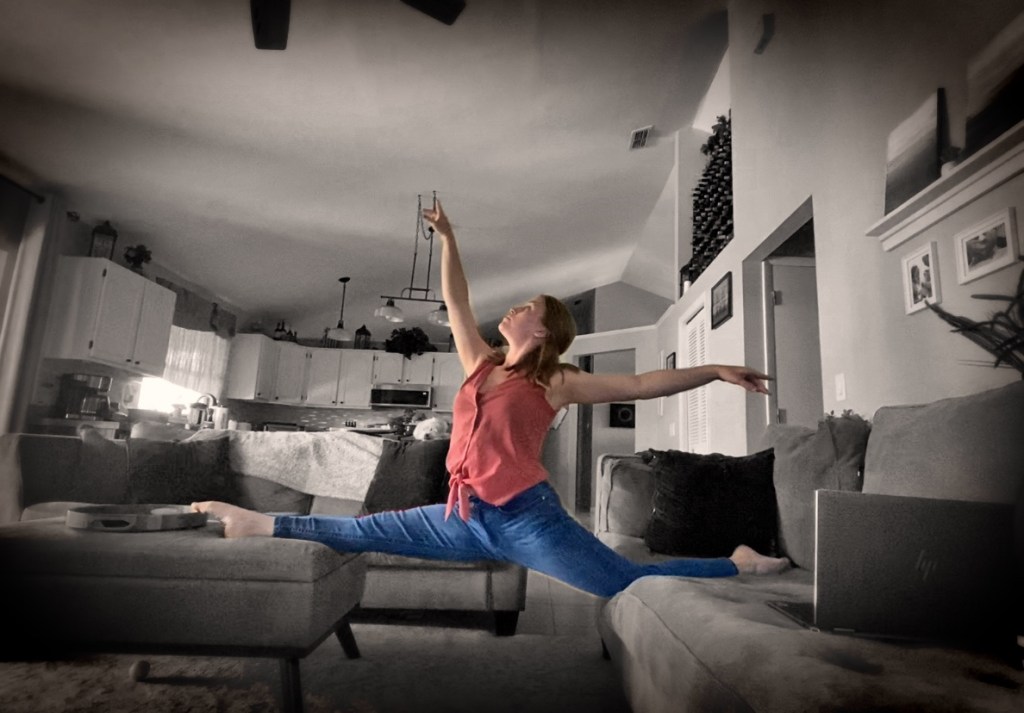
 OT Aerialist
Leave a comment