
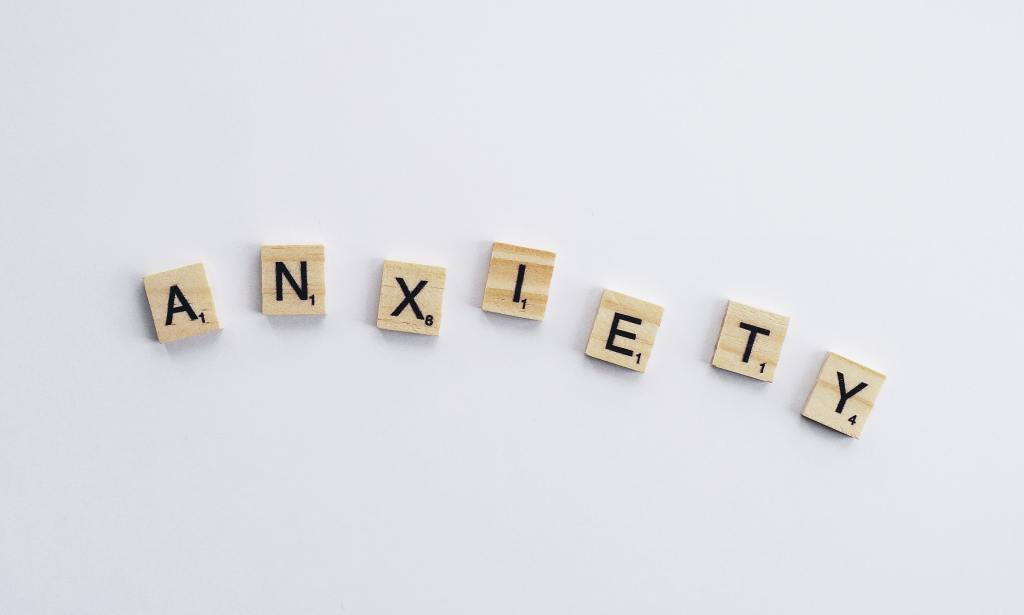
Are you looking for a unique way to manage your anxiety? Have you tried therapy, exercise, and deep breathing but are still feeling the stress? Look no further than aerial arts! Yes, you read that right – hanging from a silken fabric or spinning on a trapeze can actually help you manage anxiety and depression.
But hold on – before you go tying a bedsheet to your ceiling fan and attempting aerial acrobatics, it’s important to find a qualified studio to teach you. You don’t want to end up with a makeshift circus tent in your living room and a concussion from a failed flip.
Anxiety is a common mental health disorder that affects millions of people worldwide. While there are many treatment options available, some individuals may find traditional forms of therapy to be ineffective or unappealing. However, there is a growing body of evidence supporting the use of aerial arts as a therapy for anxiety. In this blog post, we will explore the evidence-based practice behind using aerial arts as a therapeutic tool for managing anxiety.
The Benefits of Aerial Arts:
Aerial arts, which include aerial yoga, aerial silks, trapeze, and many more apparatus can be used to build physical strength, confidence, and release tension. Aerial arts require mental focus and concentration, which can help quiet the mind and bring an individual into the present moment. By focusing on the movements and poses required during aerial arts, an individual can gain a sense of control and mastery over their body and mind.
Research Supporting the Use of Aerial Arts as a Therapy:
Several studies have shown that aerial arts can be an effective form of therapy for anxiety. A study conducted by researchers at the University of Edinburgh found that aerial silks significantly reduced anxiety in participants. Another study conducted by researchers at the University of Derby found that aerial yoga was effective in reducing anxiety and increasing mindfulness in participants. Additionally, a review of the literature on the use of aerial arts in therapy found that these interventions were effective in reducing symptoms of anxiety and depression.
Practical Applications of Aerial Arts Therapy:
If you are interested in using aerial arts as a therapy for anxiety, there are several practical applications to consider. First, it is important to find a qualified instructor who can guide you through the movements and ensure that you are performing them safely. Remember to start at your own pace and gradually increase the intensity and difficulty of the movements as you become more comfortable.
Elevate Your Aerial Journey with the Aerial Skills and Mindfulness Journal:
In this pursuit of using aerial arts to combat anxiety, we want to share a remarkable resource – the Aerial Skills and Mindfulness Journal. Carefully crafted by an experienced occupational therapy practitioner, this journal is meticulously designed to enrich your aerial journey while prioritizing your mental well-being. It’s more than just a journal; it’s your companion in personal growth and holistic well-being.
As you embark on your aerial journey, this journal provides a dedicated space for tracking progress, setting achievable goals, and engaging in mindfulness exercises. It helps you celebrate achievements, no matter how small, and learn from setbacks along the way. By combining the physical benefits of aerial arts with mindfulness techniques, it offers a comprehensive approach to nurturing both body and mind. If you’re ready to soar to new heights in your aerial practice while nurturing your mental health, the Aerial Skills and Mindfulness Journal is your perfect companion. Begin your journey towards improved mental health and aerial mastery today!

In Conclusion:
Aerial arts can be an effective form of therapy for individuals struggling with anxiety. The evidence-based practice behind using aerial arts as a therapy is supported by several studies, which have found that aerial arts can reduce anxiety symptoms and increase mindfulness. If you are interested in using aerial arts as a therapy for anxiety, be sure to find a qualified instructor and start slowly. With practice, aerial arts can help you build physical strength, gain confidence, and find inner peace.
- Van Rooijen, S. J., Bos, T., & Jansen, M. (2018). The effects of aerial silk exercises on anxiety, depression, and balance in patients with multiple sclerosis: a pilot study. Disability and Rehabilitation, 40(11), 1314-1320.
- Fuchs, R., Korsch, A., & Witthöft, M. (2018). Effects of aerial yoga on anxiety, affect, and mindfulness in women with symptoms of posttraumatic stress disorder. Journal of Contemporary Psychotherapy, 48(2), 93-102.
- Luebbers, E., & Perez-Becker, E. (2018). Therapeutic applications of aerial circus arts: A review of the literature. American Journal of Dance Therapy, 40(1), 40-52.
- Hulbert-Williams, N. J., Storey, L., & Wilson, K. G. (2015). Psychological interventions for patients with cancer: psychological flexibility and the potential utility of acceptance and commitment therapy. European Journal of Cancer Care, 24(1), 15-27.
- Donath, L., Roth, R., Zahner, L., & Faude, O. (2015). The effects of Zumba training on cardiovascular and neuromuscular function in female college students. European Journal of Sport Science, 15(6), 486-491.
- Donath, L., Roth, R., Hohn, Y., & Zahner, L. (2014). Effects of trampoline jumping on cardiovascular and neuromuscular function. Scandinavian Journal of Medicine & Science in Sports, 24(2), e102-e109.
 OT Aerialist
Leave a comment